How Phones Chatted on IRC Before Apps
Before the app store, a Nokia and a keypad could join a live channel — the story of mobile IRC, and the little client that made it work.
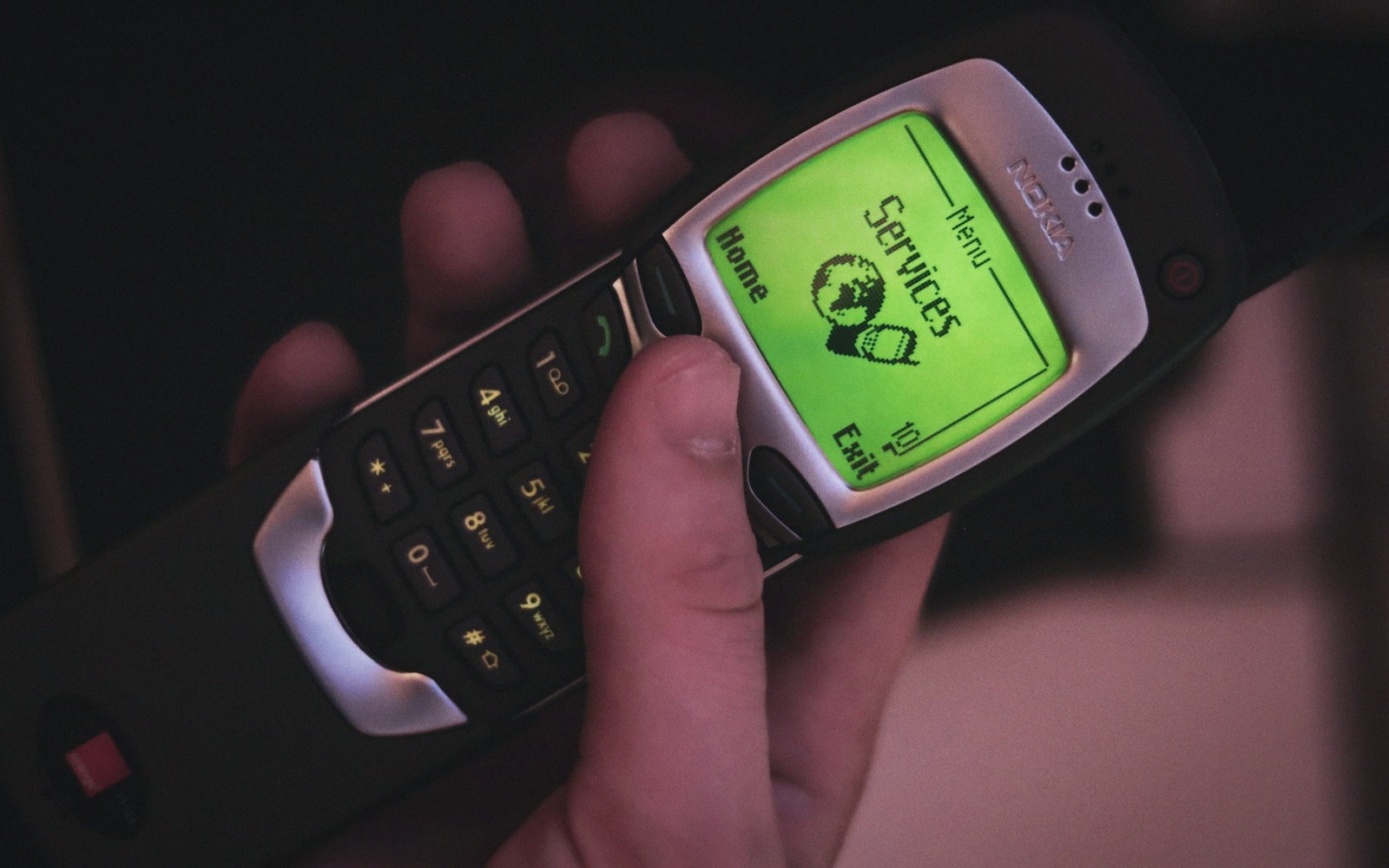
01 Before the App Store, There Was mIRGGI
Cast your mind back to 2007. The iPhone had just been announced, Android didn't exist yet in any shipping form, and if you wanted to chat on the move, you were working with what you had: a Nokia S60 device, a data plan you were slightly afraid of, and — if you knew where to look — a lean little IRC client called mIRGGI.
mIRGGI was the first IRC client built for the Symbian S60 third-edition platform, and it ran on a notably wide spread of Nokia hardware: the N73, N80, N91, N92, N93, N95, E50, E60, E61, E70, N71, the 3250, and the 5500, among others. It also had desktop builds for Linux and Windows, but the phones were the point. In an era when most mobile communication meant SMS or, at a stretch, MMS, mIRGGI let you drop into an IRC channel from your pocket. That was genuinely remarkable.
IRC — Internet Relay Chat — was already almost two decades old by then, a federated, open protocol that had hosted everything from late-night philosophy to early open-source collaboration. The protocol itself is beautifully simple: you connect to a server, you join channels, you talk. But "beautifully simple" hides real engineering challenges when the device in your pocket has a small screen, a numeric keypad, and constrained memory. mIRGGI was built to fit those constraints exactly.
02 What It Did, and How It Did It
The feature list reads, to modern eyes, like minimalism by necessity — but there's a craft to it. mIRGGI connected to one IRC server at a time and allowed you to join channels and open private query windows within that connection. Each channel or query window held a 10,000-line scrollback buffer, generous for the time. T9 text input was supported, which matters enormously on a phone without a full keyboard: you needed the client to play nicely with predictive text, not fight it. UTF-8 decoding meant international characters rendered correctly rather than appearing as noise.
Navigation used the numpad to jump between open windows — again, not a limitation but a considered design decision. You were navigating on a device with a D-pad and number keys, and the client met you there. An ident daemon was included, which satisfied the authentication handshake that many IRC servers required before admitting a connection. Auto-join and auto-query settings let you arrive on your preferred channels as soon as the connection established, without manual steps. The font was small but readable, memory footprint stayed low, and there were no themes, skins, or video playback features to eat into either.
The philosophy was ruthless economy: give the user IRC, nothing else, waste nothing. For a device category where every kilobyte and every CPU cycle was negotiated, that philosophy was the right one.
The font was small but readable, memory footprint stayed low, and there were no themes, skins, or video playback features to eat into either.
03 The Competitor: WirelessIRC
mIRGGI wasn't alone on the S60 third-edition platform for long. WirelessIRC arrived as a native alternative, and the two clients defined a small but real competitive space in mobile IRC. The rivalry was instructive.
Where mIRGGI was a specialist — IRC, done well, nothing else — WirelessIRC made different bets. It added support for Bonjour local chat, which let users communicate over a shared Wi-Fi network without any internet connection at all, a genuinely useful feature in offices or conference venues. It also integrated with Twitter, which by the late 2000s was gathering enough momentum to be worth the investment, and with del.icio.us for saving and organising URLs encountered in chat. WirelessIRC's semi-transparent window UI and on-device log management gave it a visual and archival edge.
The practical upshot was that WirelessIRC felt more connected to the emerging social internet, while mIRGGI stayed disciplined about being an IRC client. Neither approach was wrong; they reflected genuinely different ideas about what mobile chat software was for. One was a tool; the other was a hub.
These notes are part of an ongoing field guide — corrections and additions are welcome at the desk.
04 Why Any of This Matters Now
It's tempting to treat mIRGGI as a curiosity — a footnote before everything became apps. That reading misses something. The design problems mIRGGI solved in 2007 are structurally identical to the problems every mobile chat client still navigates: constrained screen real estate, input methods that don't match the keyboard a protocol was designed for, battery and memory budgets that punish bloat, and the fundamental tension between doing one thing well and bundling adjacent features users might want.
Nokia's S60 devices dominated global handset sales through most of the 2000s. That dominance meant mIRGGI wasn't a niche experiment for enthusiasts — it was a real-world deployment of IRC into the hands of mainstream mobile users, years before the smartphone era made such things routine. The iPhone and Android would, within a few years, change what "mobile chat" meant and eventually collapse the category of platform-specific IRC clients entirely. But for the window between roughly 2007 and 2010, a Nokia user could connect to a server, join a channel, and hold a real conversation on the move.
They were doing what we'd now call messaging — just on a protocol that had been doing it since 1988, squeezed into 2.5 inches of screen and navigated with a thumb.
◆ A short timeline
- 1988IRC protocol created in Finland
- 2007mIRGGI released for Nokia S60 third edition, Linux, and Windows
- 2007iPhone announced; Android not yet shipping
- 2010 (approx.)smartphone era displaces Symbian-era Nokia dominance
◆ People & organisations
Nokia
Referenced in this piece
Finnish handset manufacturer; dominant global mobile phone brand through the 2000s
WirelessIRC
Referenced in this piece
competing native IRC client for Nokia S60 third edition, with Bonjour and Twitter integration
mIRGGI
Referenced in this piece
first IRC client for Nokia S60 third-edition Symbian devices; also had Linux and Windows builds